Studio profile · Chiang Mai
Lanna Fieldwork

Information verified as of April 2026
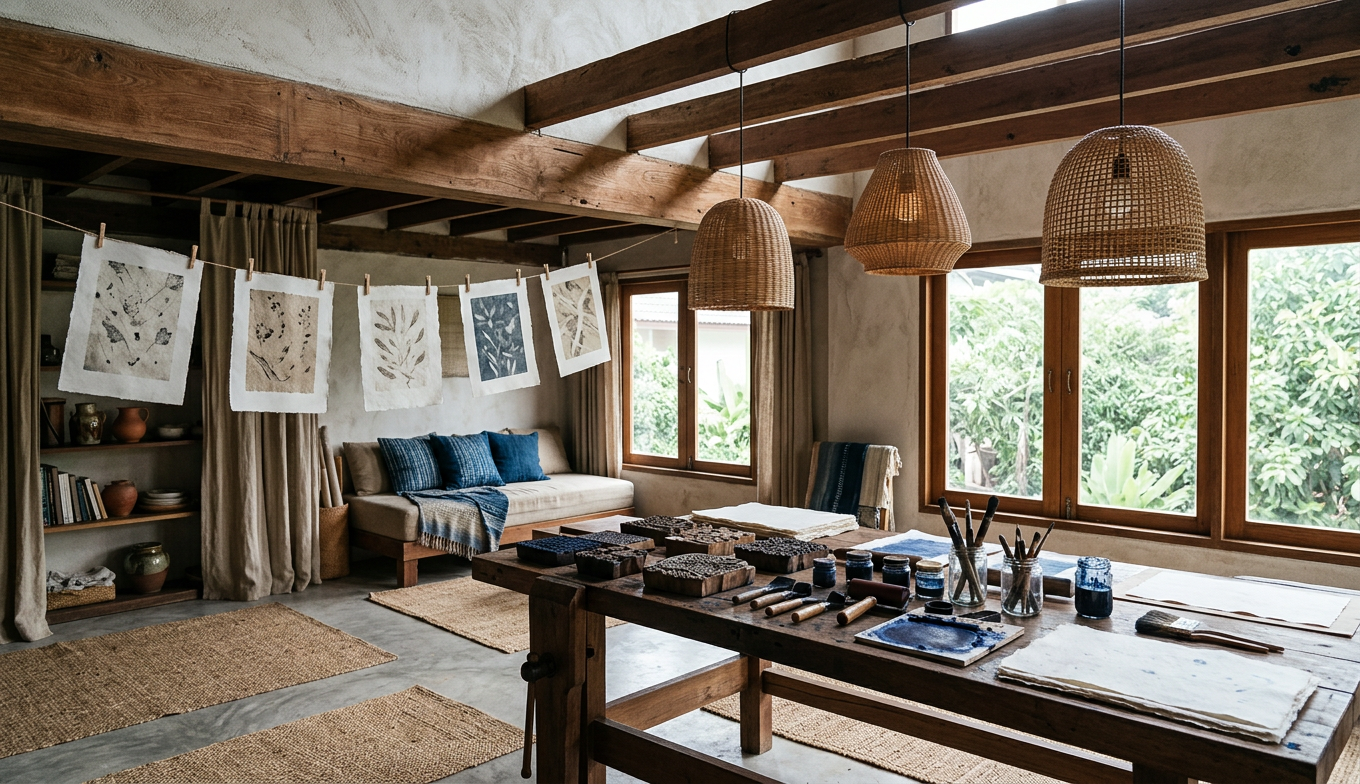
Editorial note: This is a placeholder profile representing the kind of studio ThaiGraph covers in this specialty. We will update it with a named, verified subject once submitted via [email protected].
What Lanna Fieldwork represents
Lanna Fieldwork represents the small Chiang Mai studios that combine graphic design with craft, print, and regional cultural research — often blurring the line between design practice, publishing imprint, and artisan workshop. This profile covers firms that run their own risograph or letterpress studios, collaborate with northern Thai weavers and papermakers, and publish zines, posters, and small-run editions alongside their client work.
The Creative Economy Agency’s 2024 studio census identified Chiang Mai as the second-largest concentration of design firms in Thailand after Bangkok, with Nimmanhaemin and the Old City together accounting for an estimated 200 to 300 active design studios of varying scale.
Founding and positioning
A craft-and-print studio in Chiang Mai typically forms around a single founder or a two-person team, often after a period in Bangkok or abroad. Founders frequently return to the north for quality-of-life reasons — cheaper rent, slower pace, access to craft communities — and structure the studio accordingly: smaller team, higher mix of self-initiated work, lower monthly overhead.
Positioning is as much cultural as commercial. These studios market themselves through their own publications, risograph editions, and exhibition work, which attracts clients who value the studio’s voice rather than a generic service offer. Competitors are not other Chiang Mai studios so much as Bangkok studios pitching heritage and craft without on-the-ground research. The advantage of a genuine Chiang Mai base is direct relationships with cotton weavers in San Kamphaeng, sa paper makers in Pa Sang, and ceramicists in Hang Dong.
Work
A Chiang Mai craft and print studio of this scale typically handles:
- Identity and print for northern Thai boutique hotels, cafés, and specialty coffee roasters
- Editorial design and zines for regional cultural institutions and CEA Chiang Mai programming
- Risograph and letterpress editions sold through bookshops and independent retailers
- Packaging for small-run craft products: coffee, tea, silver, ceramics, and hand-woven textiles
- Creative direction for Chiang Mai Design Week and related regional programming
Project fees run lower than Bangkok equivalents by roughly 20 to 35 percent, based on regional pricing data in the Creative Economy Agency’s 2024 creative services pricing study, offset by lower overhead and a higher share of owned-editions revenue.
The Nimmanhaemin Chiang Mai design cluster
Nimmanhaemin Road, running north from Suthep Road alongside Chiang Mai University’s main campus, is the city’s long-standing creative and café district. The street and its sois host most of the city’s design-focused cafés, specialty bookshops, small galleries, and independent retailers. TCDC Chiang Mai opened in 2013 in the nearby Old City and anchors the broader design cluster along with the annual Chiang Mai Design Week held each December.
For a small studio, Nimmanhaemin is viable economically and culturally: rents are a fraction of Bangkok CBD rates, foot traffic skews toward the creative and hospitality segments, and the neighborhood’s density of publishers, photographers, and craft suppliers supports project collaboration without commuting.
Submit your studio
If your studio is based in Chiang Mai and would like to be profiled, email [email protected]. Submission guidelines and editorial standards are described on the about page.
Information verified as of April 2026
Sources
- Thai design studio ecosystem consists of ~3,500 firms per CEA 2024 data.—Creative Economy Agency, Studio Census, 2024 (accessed Apr 10, 2026)