Studio profile · Chiang Mai
Phu Mai Collective

Information verified as of April 2026
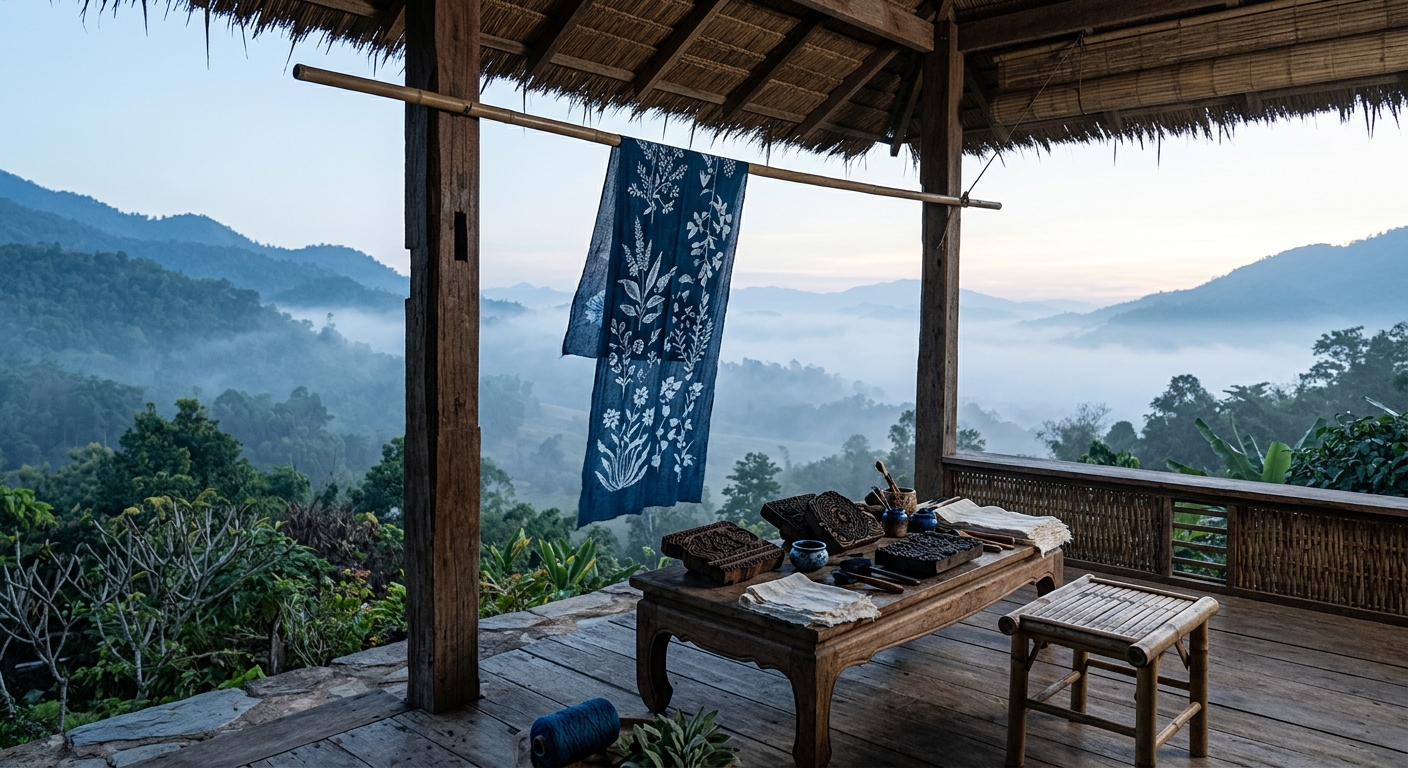
Editorial note: This is a placeholder profile representing the kind of studio ThaiGraph covers in this specialty. We will update it with a named, verified subject once submitted via [email protected].
What Phu Mai Collective represents
Phu Mai Collective represents the rural-adjacent design studios that combine graphic design with textile production, natural dyeing, and long-term partnerships with northern Thai weaving communities. This profile covers firms that are neither pure design studios nor pure craft producers, but hybrid practices where the studio’s commercial graphic work subsidizes slower, more research-driven textile and publication projects.
The Creative Economy Agency’s 2024 sector mapping identified hybrid craft-and-design studios as a distinct and growing category in northern Thailand, supported by OTOP and SACICT funding programs and by export demand for craft-led consumer goods.
Founding and positioning
A collective of this kind typically forms around three to five practitioners who have converged from different disciplines — graphic design, textile design, illustration, craft management — often after years of independent work. The location in Mae Rim, north of Chiang Mai city toward the mountains, is deliberate: it places the studio near the weaving communities it collaborates with in San Kamphaeng, Mae Chaem, and the hill villages beyond Samoeng, and provides space for looms, dye kitchens, and workshop programming that an urban studio cannot easily accommodate.
Positioning is explicitly slow and research-led. These studios rarely compete on speed or price with Bangkok firms, and generally do not pitch for mainstream FMCG or corporate identity work. Competitors are other craft-focused studios in Chiang Mai and occasionally in Isan, plus NGO-aligned design teams working on similar heritage and livelihood programs.
Work
A Mae Rim craft and textile studio of this scale typically handles:
- Identity and print for boutique fashion and homeware brands using hand-woven Thai textiles
- Collaborations with weaving cooperatives on pattern development, natural dyeing, and product lines
- Research publications documenting northern Thai textile traditions, funded through cultural grants
- Retail collateral — hangtags, swing tickets, lookbooks — for craft brands selling internationally
- Workshop programming and residencies for designers, educators, and institutional partners
Project mix and fee structures vary more than in an urban studio. Commercial identity engagements in this segment typically fall between 180,000 and 450,000 baht, with additional income from product lines, workshop fees, and grant-funded research, per Creative Economy Agency 2024 hybrid-studio pricing data.
The Mae Rim Chiang Mai design cluster
Mae Rim is a district north of Chiang Mai city, beginning roughly 15 kilometers from the Old City moat and extending up into the foothills along the Mae Sa valley. The area is best known for botanic gardens, resort hotels, and orchid farms, but has also become a quiet base for studios, artist residencies, and small craft businesses that want land, light, and distance from the city without being cut off from it.
For a craft and textile studio, the locational logic is practical. Rents and space costs are a fraction of the Old City or Nimmanhaemin, the surrounding region contains active weaving and dyeing communities, and access to Chiang Mai city — for airport connections, client meetings, and TCDC events — takes less than 45 minutes by road.
Submit your studio
If your studio works in craft, textiles, or rural Thai design practice, email [email protected]. Submission guidelines and editorial standards are described on the about page.
Information verified as of April 2026
Sources
- Thai design studio ecosystem consists of ~3,500 firms per CEA 2024 data.—Creative Economy Agency, Studio Census, 2024 (accessed Apr 10, 2026)