Thaitone · red
Thai Vermilion
แดงชาด
(daeng chaat)

Information verified as of April 2026
- HEX
-
#C13019 - RGB
-
193, 48, 25 - CMYK
-
0, 75, 87, 24 - HSL
-
8°, 77%, 43% - Tailwind
-
bg-[#c13019] - Thaitone index
- #1
What Thai Vermilion is
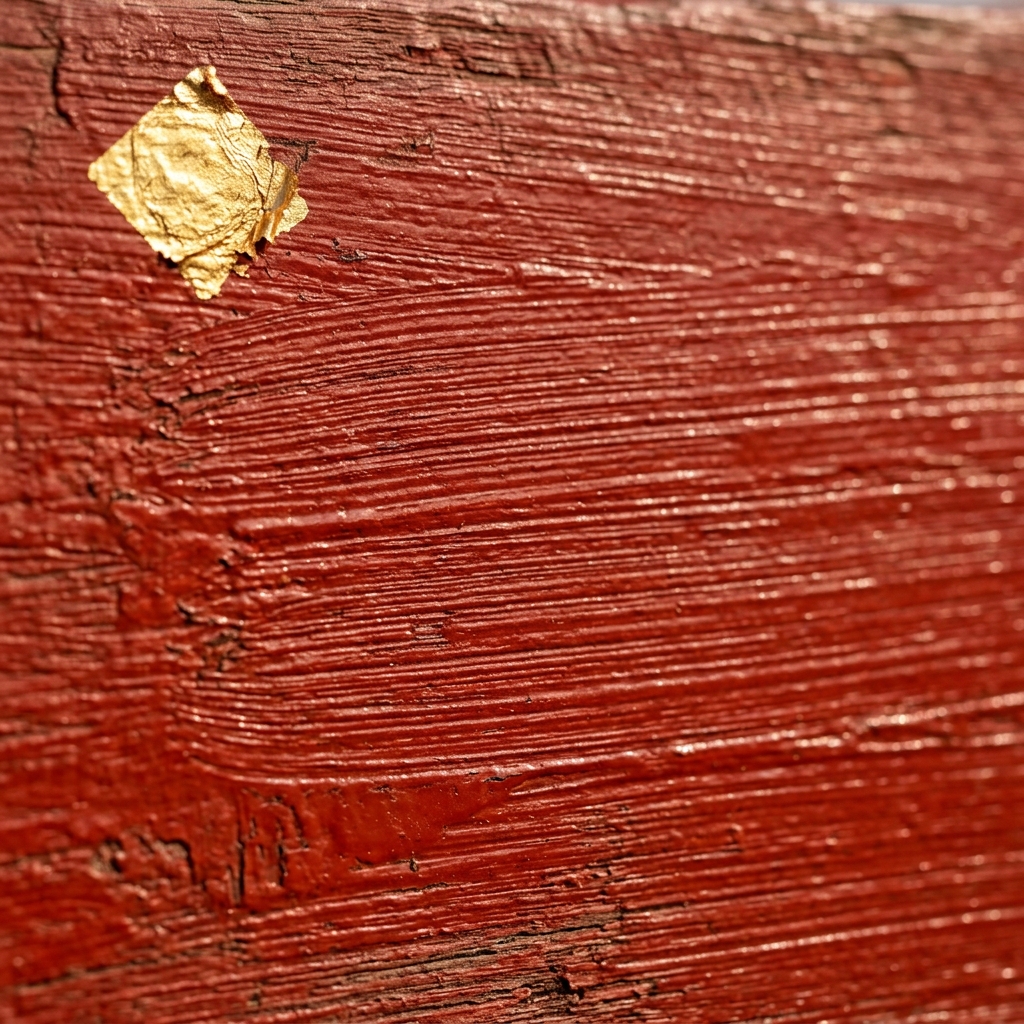
Thai Vermilion (แดงชาด, daeng chaat) is the deep orange-red of temple lacquer and senior Theravada monastic robes — a warm, orange-biased red at #c13019 that reads as sacred rather than aggressive. The traditional pigment is cinnabar (mercuric sulphide) ground into lacquer resin, which gives the color a dense, matte quality on heritage artefacts.
The hue sits between a true red and an orange on the Thai register. Pittayamatee’s 1988 Thaitone sampling from Rattanakosin-period lacquerware placed it at CMYK 0/75/87/24. Unlike Chinese vermilion or Indian sindoor red, Thai vermilion carries a warm earth undertone because the pigment was almost always cut with a small amount of ochre or iron oxide in traditional preparation.
Where this color traditionally appears
The canonical reference is the lacquer substrate on temple pediments and ceremonial furniture — particularly the red ground beneath the gold leaf of Wat Phra Kaew’s bot and the lacquer cabinets (tu phra) in the Bangkok National Museum. Every lai rod nam gilded lacquer piece from the Ayutthaya and Rattanakosin periods uses a vermilion ground.
It also appears in senior forest-tradition monastic robes, which lean deeper red-orange than the brighter saffron of city monasteries. Northern Thai tung festival banners for Yi Peng use it as the dominant ground for auspicious Buddhist text. Royal barge interiors — the Anantanakkharat and Suphannahong — show this specific red under the gilding.
What it means in Thai culture
Thai Vermilion carries religious and ceremonial weight — it signals the sacred, the royal, and the auspicious, in that order. Pittayamatee classified it inside the temple (วัด) category, and Thai designers treat it as loaded, never deployed casually.
The color is tied directly to the Buddha’s robe and temple interior lacquer, so it carries religious connotation even in secular contexts. It also serves as the field color in auspicious wedding textiles in Isan and northern Thailand, giving it a secondary meaning of celebration and fertility. It is considered inappropriate for mourning contexts (white is the mourning color) and unusual for tech or financial brands.
Using Thai Vermilion in modern design
Thai Vermilion works best as a dominant brand color for heritage Thai hospitality, premium FMCG exports, and cultural institution identity. Three concrete briefs:
- Heritage hotel identity — full-saturation vermilion field with a gold typographic lockup reads unmistakably as luxury Thai hospitality.
- Premium Thai FMCG export packaging — 6–10% vermilion accent against cream or off-black signals Thai origin to international shoppers without shouting.
- Cultural institution identity — museums and festival identities pair vermilion with lacquer black and rice paper for print.
It fails in wellness and spa categories, where the warmth reads as aggressive, and in fintech, where the sector expects trust-blue.
Complementary colors
Three combinations carry Thai Vermilion cleanly into modern work. With Temple Gold, the pairing reconstructs traditional gilded lacquer — ideal for luxury hospitality, kept to ~5% gold accent. With Lacquer Black, the contrast is canonical Thai heritage; vermilion reads warmer against deep near-black than against any cooler dark. With Rice Paper, vermilion sits as a single loud accent on a calm cream field — a contemporary Thai editorial treatment.
Browse the full Thaitone system or open the color picker to build a palette.
Information verified as of April 2026
Sources
- Documented in the Thaitone system as one of 168 traditional Thai colors.—Pittayamatee, P. (1988). Thai Colour. Amarin Printing, Bangkok. (accessed Apr 10, 2026)
- Vermilion pigment in Thai temple lacquer is historically sourced from cinnabar (mercuric sulphide) applied over a resin base.—Chulalongkorn University Department of Conservation Science — Ayutthaya Murals Pigment Analysis, 2018 (accessed Apr 10, 2026)